Yep, we may get a tiny thank-you (read: commission) when you buy through
links on Soundfindr — not enough for a yacht, but enough to keep the lights (and
servers) on.
Learn more
53
Highlights
39
Differences
7
Reactions
0
Likes
Rode NT5
vs
Sennheiser MKE 600:
53 Highlights & 39 Differences —
So, Which Microphone Actually Works Better
The Rode NT5 keeps things affordable, but does it really compete with the pricey Sennheiser MKE 600? Let’s see which mic delivers more bang for your buck!
We put Rode NT5 and Sennheiser MKE 600 head to head to see which microphone wins in performance, build, and price. Compare their features and product type, microphone type, connection interface & power source now.
Rode NT5 vs Sennheiser MKE 600: A Comprehensive Comparison
When selecting a microphone, it's crucial to choose one that matches both your recording environment and your specific needs. The Rode NT5 and Sennheiser MKE 600 are two highly regarded microphones that cater to similar audiences but with distinct features. Both are condenser microphones, designed to capture clear, detailed sound, but each has unique qualities that make it stand out depending on the recording scenario.
In this comparison, we'll explore the similarities and differences between the NT5 and MKE 600, including key features such as design, performance, and functionality. Whether you're a studio professional, field recorder, or podcaster, understanding their specifications will help you decide which one suits you best.
Rode NT5: Precision and Versatility
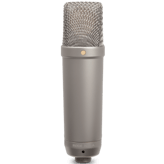
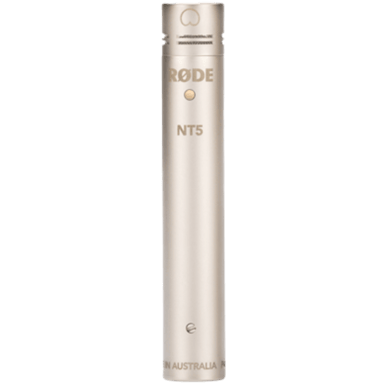
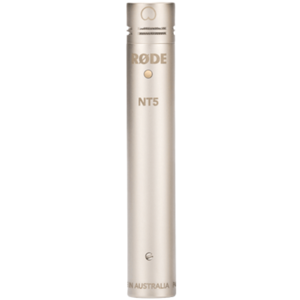
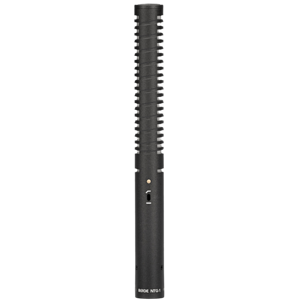
The Rode NT5 is a small-diaphragm condenser microphone, which makes it perfect for capturing precise, accurate sound in studio and live environments. It is often chosen for its ability to record everything from vocals to instruments, and its clear, transparent sound. The NT5 offers a condenser microphone design, ensuring high sensitivity and accurate frequency response.
Its frequency range spans from 20 Hz to 20 kHz, which is ideal for a variety of sound sources. The maximum sound pressure level (SPL) of 143 dB further ensures that the NT5 can handle loud sound sources without distortion, which is especially useful when recording instruments or live performances.
The NT5 utilizes a cardioid polar pattern, which focuses on capturing sound from the front while minimizing noise from the sides and rear. This makes it ideal for controlled environments such as studios and podcasts.
Moreover, the microphone is wired, and it connects via XLR. At this rate, it can offer reliable performance across a wide range of devices like PCs, Macs, and audio interfaces. Its build quality is solid, and it's compatible with a variety of mounting types, such as stands and shock mounts, which provide flexibility in setup and usage.
Another key feature of the NT5 is its 78 dB signal-to-noise ratio, which ensures that it picks up clean audio, minimizing unwanted noise. This makes it well-suited for studio recording, where clarity is crucial. However, one thing to note is that the NT5 lacks certain convenient features like an on/off switch, which might be a downside for those who need quick control over the mic's power.
Sennheiser MKE 600: A Shotgun Microphone for Precision and Durability
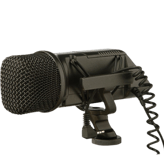
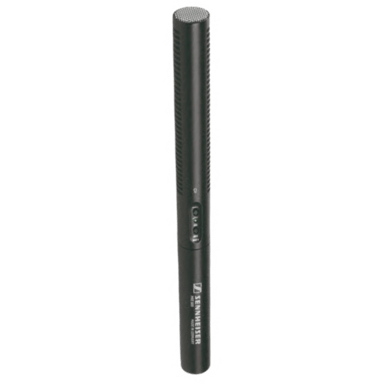
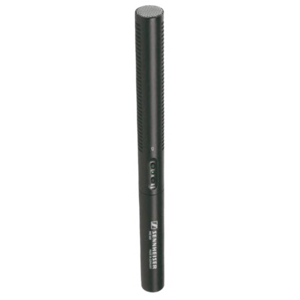
On the other hand, the Sennheiser MKE 600 brings a different level of versatility with its shotgun microphone design. This design is perfect for focused audio capture from a specific direction, making it ideal for film production, broadcasting, and field recording.
It features a small diaphragm condenser capsule and boasts a frequency response range from 40 Hz to 20 kHz, a slight narrowing compared to the NT5, but still provides excellent sound quality for most applications. The MKE 600 also excels in providing directional audio capture with its supercardioid polar pattern, ensuring that it isolates sound from the front while rejecting noise from the sides and rear.
What really sets the MKE 600 apart is its flexibility when it comes to powering the microphone. It can be powered both via phantom power or through a replaceable AA battery, which offers significant advantages when recording in environments where phantom power might not be available. The MKE 600 has a 150-hour battery life, making it an excellent choice for long recording sessions in the field or on location. In contrast, the NT5 relies solely on phantom power, limiting its portability in certain situations.
The MKE 600 is also designed with a range of user-friendly features, such as an on/off switch and a mute function, which provide more control over the mic's operation. Additionally, it includes a pop filter for reducing plosives and a windscreen to minimize wind noise. These additional accessories make the MKE 600 an excellent choice for outdoor recordings or noisy environments.
Quick Take
For studio environments and controlled recording conditions, the Rode NT5 offers superior clarity, with its broad frequency response and excellent signal-to-noise ratio. However, when it comes to field recordings or on-location shoots, the Sennheiser MKE 600 takes the lead.
Its flexible power options, directional focus, and additional features like a pop filter and mute function make it an ideal choice for mobile and outdoor use. While the NT5 excels in indoor settings, the MKE 600's versatility makes it the go-to for professionals recording in varied environments.
Closing Recommendation
If your primary recording environment is a studio, and you need a precise and clear mic with excellent handling of high SPLs, the Rode NT5 is an exceptional choice. It's a tried-and-true mic for capturing fine details in a controlled setting.
On the other hand, if you're frequently recording in dynamic, unpredictable environments like video production or outdoor field recording, the Sennheiser MKE 600 offers greater flexibility with its dual power options, battery life, and directional capture. For most users who need a microphone for a range of different applications, the MKE 600's feature set provides more practical benefits.
Verdict
Winner: Sennheiser MKE 600 — superior for field recordings, outdoor use, and film production with battery-powered operation and more comprehensive features.
Runner-up: Rode NT5 — a top choice for studio and indoor environments with its exceptional clarity and high SPL handling.
Side by side. The numbers. The features. No drama.
Is Rode NT5 better than Sennheiser MKE 600? Depends on your playstyle. This deep microphones breakdown includes specs, feel, tone quality, and what musicians think.
The Rode NT5 is best for studio, live, and instrumental recording, while the Sennheiser MKE 600 also serves well in streaming and field recording, offering more flexibility for on-the-go use.
Describes the primary application area.
In the battle of Intended Use,
Rode NT5 ◉ is
worse than
Sennheiser MKE 600 ◉
, delivering
lower
12 score
measurement.
Don’t keep it to yourself — be the first to react and review the
Intended Use on Rode NT5 ◉
vs Sennheiser MKE 600 ◉ and help others decide!
The Rode NT5 supports stand and shock mount options, while the Sennheiser MKE 600 offers more mounting flexibility with stand, boom arm, clip, and shock mount compatibility.
The typical mounting or support style.
In the battle of Mounting Type,
Rode NT5 ◉ is
worse than
Sennheiser MKE 600 ◉
, delivering
lower
12 score
measurement.
Based on community votes for Mounting Type,
Rode NT5 ◉ earned
0 votes,
less than
Sennheiser MKE 600 ◉,
which got 1 votes.
Both are condenser microphones, but the Rode NT5 is a small diaphragm type, while the Sennheiser MKE 600 is a shotgun microphone, making the MKE 600 better for focused directional recording.
Defines the basic category of the microphone.
In the battle of Product Type,
Rode NT5 ◉ is
worse than
Sennheiser MKE 600 ◉
, delivering
lower
25 score
measurement.
Don’t keep it to yourself — be the first to react and review the
Product Type on Rode NT5 ◉
vs Sennheiser MKE 600 ◉ and help others decide!
The Rode NT5 is part of Rode’s renowned line of microphones, while the Sennheiser MKE 600 is a reliable offering from Sennheiser, both aimed at different needs in professional audio recording.
The specific product identifier from the manufacturer.
In the battle of Model Name,
Rode NT5 ◉ is
worse than
Sennheiser MKE 600 ◉
, delivering
lower
2 score
measurement.
Don’t keep it to yourself — be the first to react and review the
Model Name on Rode NT5 ◉
vs Sennheiser MKE 600 ◉ and help others decide!
Both microphones are suited for adults and professionals, making them ideal for anyone in the audio recording industry, from beginners to seasoned experts.
The intended user age bracket.
In the battle of Age Group,
Rode NT5 ◉ is
same as
Sennheiser MKE 600 ◉
.
Don’t keep it to yourself — be the first to react and review the
Age Group on Rode NT5 ◉
vs Sennheiser MKE 600 ◉ and help others decide!
Year of Release
What year was it released?
28
Rode NT5
0Votes
2002
57
Sennheiser MKE 600
0Votes
2012
Rode NT5
Released in 2002, the NT5 has remained a favorite among engineers for over two decades thanks to its reliable studio and live performance quality.
Sennheiser MKE 600
Released in 2012, this model has since become a popular choice for filmmakers and content creators who need clear directional audio.
Indicates when the microphone was launched.
In the battle of Year of Release,
Rode NT5 ◉ is
worse than
Sennheiser MKE 600 ◉
, delivering
lower
29 score
measurement.
Don’t keep it to yourself — be the first to react and review the
Year of Release on Rode NT5 ◉
vs Sennheiser MKE 600 ◉ and help others decide!
Polar Pattern Type
What is the polar pattern type?
62
Rode NT5
0Votes
Cardioid
77
Sennheiser MKE 600
0Votes
Supercardioid
Rode NT5
Cardioid pattern focuses on sound from the front and reduces pickup from the sides and rear—useful in live or multi-mic setups.
Sennheiser MKE 600
Supercardioid captures sound mainly from the front while rejecting noise from the sides and rear, making it perfect for isolating specific sound sources.
Identifies the default pickup pattern.
In the battle of Polar Pattern Type,
Rode NT5 ◉ is
worse than
Sennheiser MKE 600 ◉
, delivering
lower
15 score
measurement.
Don’t keep it to yourself — be the first to react and review the
Polar Pattern Type on Rode NT5 ◉
vs Sennheiser MKE 600 ◉ and help others decide!
Connectivity Type
What is the connectivity type?
37
Rode NT5
0Votes
Wired, XLR
17
Sennheiser MKE 600
0Votes
Wired
Rode NT5
Uses a standard 3-pin XLR connection for balanced professional audio—ensures stable, noise-free signal transmission.
Sennheiser MKE 600
Wired connectivity ensures stable and reliable audio transfer without interference, especially useful for professional settings.
Defines how the microphone connects to devices.
In the battle of Connectivity Type,
Rode NT5 ◉ is
better than
Sennheiser MKE 600 ◉
, delivering
higher
20 score
measurement.
Don’t keep it to yourself — be the first to react and review the
Connectivity Type on Rode NT5 ◉
vs Sennheiser MKE 600 ◉ and help others decide!
Color Options
What are the color options?
52
Rode NT5
0Votes
Silver
47
Sennheiser MKE 600
0Votes
Black
Rode NT5
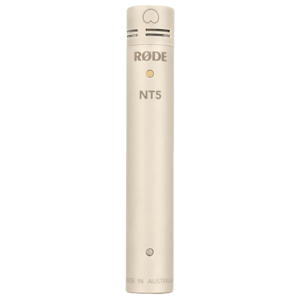
Classic satin silver finish matches most studio gear and remains resistant to fingerprints or scratches.
Sennheiser MKE 600
Sleek black design that blends well with most camera setups.
Available product colors.
In the battle of Color Options,
Rode NT5 ◉ is
better than
Sennheiser MKE 600 ◉
, delivering
higher
5 score
measurement.
Don’t keep it to yourself — be the first to react and review the
Color Options on Rode NT5 ◉
vs Sennheiser MKE 600 ◉ and help others decide!
Country of Origin
What is the country of origin?
47
Rode NT5
0Votes
Australia
87
Sennheiser MKE 600
0Votes
Germany
Sennheiser MKE 600
Manufactured in Germany, a country renowned for producing high-quality audio equipment.
Manufacturing or design origin.
In the battle of Country of Origin,
Rode NT5 ◉ is
worse than
Sennheiser MKE 600 ◉
, delivering
lower
40 score
measurement.
Don’t keep it to yourself — be the first to react and review the
Country of Origin on Rode NT5 ◉
vs Sennheiser MKE 600 ◉ and help others decide!
Compatibility
Which devices or platforms are compatible?
50
Rode NT5
0Votes
PC, Mac, Audio Interface, PA System
Versatile for different recording environments, from controlled studio setups to dynamic live performances and field recordings.
Specific contexts where the mic is best suited.
In the battle of Recording Application Category,
Rode NT5 ◉ is
worse than
Sennheiser MKE 600 ◉
, delivering
lower
2 score
measurement.
Don’t keep it to yourself — be the first to react and review the
Recording Application Category on Rode NT5 ◉
vs Sennheiser MKE 600 ◉ and help others decide!
User Skill Level
What is the user skill level?
67
Rode NT5
0Votes
Intermediate, Professional
97
Sennheiser MKE 600
0Votes
Professional
Sennheiser MKE 600
Tailored for professionals in the audio and film industries who demand high-quality sound capture.
Recommended audience expertise level.
In the battle of User Skill Level,
Rode NT5 ◉ is
worse than
Sennheiser MKE 600 ◉
, delivering
lower
30 score
measurement.
Don’t keep it to yourself — be the first to react and review the
User Skill Level on Rode NT5 ◉
vs Sennheiser MKE 600 ◉ and help others decide!
Launch Region
Where is it available?
92
Rode NT5
0Votes
Global
97
Sennheiser MKE 600
0Votes
Global
Sennheiser MKE 600
Available worldwide, catering to both local and international markets.
Where the product is primarily available.
In the battle of Launch Region,
Rode NT5 ◉ is
worse than
Sennheiser MKE 600 ◉
, delivering
lower
5 score
measurement.
Don’t keep it to yourself — be the first to react and review the
Launch Region on Rode NT5 ◉
vs Sennheiser MKE 600 ◉ and help others decide!
Limited Edition
Is it a limited/special edition?
No
0Votes
Rode NT5
No
0Votes
Sennheiser MKE 600
Sennheiser MKE 600
Standard version without limited or special edition releases.
Whether the model is a limited or special release.
In the battle of Limited Edition,
Rode NT5 ◉ is
same as
Sennheiser MKE 600 ◉
.
Don’t keep it to yourself — be the first to react and review the
Limited Edition on Rode NT5 ◉
vs Sennheiser MKE 600 ◉ and help others decide!
Series/Line
What series/line does it belong to?
Who knows?
0Votes
Rode NT5
(Help us out by suggesting one!)
Who knows?
0Votes
Sennheiser MKE 600
(Help us out by suggesting one!)
Identifies the product line or collection the microphone belongs to.
Don’t keep it to yourself — be the first to react and review the
Series/Line on Rode NT5 ◉
vs Sennheiser MKE 600 ◉ and help others decide!
Dimensions & Weight
14
Mounting Thread Size
What is the mounting thread size?
92
Rode NT5
0Votes
5/8"
77
Sennheiser MKE 600
0Votes
3/8"
Rode NT5
The Rode NT5 microphone features a 5/8"-27 female mounting thread. However, it comes with an included adapter that allows compatibility with 3/8"-16 threaded stands, making it versatile for various mounting options.
Sennheiser MKE 600
Standard size for attaching to most boom arms and stands.
The thread size for mounting compatibility.
In the battle of Mounting Thread Size,
Rode NT5 ◉ is
better than
Sennheiser MKE 600 ◉
, delivering
higher
15 score
measurement.
Don’t keep it to yourself — be the first to react and review the
Mounting Thread Size on Rode NT5 ◉
vs Sennheiser MKE 600 ◉ and help others decide!
Width
What is the width?
0.79
inch
0Votes
0.79
inch
0Votes
Rode NT5
Equivalent to about 2 cm, roughly the diameter of a coin, making it easy to position discreetly around instruments.
The microphone’s overall width.
In the battle of Width,
Rode NT5 ◉ is
same as
Sennheiser MKE 600 ◉
, delivering
equal
0.79 inch
measurement.
Don’t keep it to yourself — be the first to react and review the
Width on Rode NT5 ◉
vs Sennheiser MKE 600 ◉ and help others decide!
Depth
What is the depth?
4.5
inch
0Votes
0.79
inch
0Votes
Rode NT5
That’s about 11.4 cm, about the length of a standard marker—compact enough for drum overheads or stereo setups.
The microphone’s overall depth.
In the battle of Depth,
Rode NT5 ◉ is
worse than
Sennheiser MKE 600 ◉
, delivering
higher
3.7 inch
measurement.
Don’t keep it to yourself — be the first to react and review the
Depth on Rode NT5 ◉
vs Sennheiser MKE 600 ◉ and help others decide!
Weight
What is the weight?
0.22
lbs
0Votes
0.28
lbs
0Votes
Rode NT5
Around 100 g, it’s lightweight enough for stereo pairs or boom mounting without sag.
The microphone’s physical weight.
In the battle of Weight,
Rode NT5 ◉ is
better than
Sennheiser MKE 600 ◉
, delivering
lower
0.1 lbs
measurement.
Don’t keep it to yourself — be the first to react and review the
Weight on Rode NT5 ◉
vs Sennheiser MKE 600 ◉ and help others decide!
Capsule Diameter
What is the capsule diameter?
0.5
inch
0Votes
Who knows?
0Votes
Sennheiser MKE 600
(Help us out by suggesting one!)
Rode NT5
Equals roughly 1.27 cm, typical of small-diaphragm condensers for accurate high-frequency response.
The diameter of the microphone capsule.
Don’t keep it to yourself — be the first to react and review the
Capsule Diameter on Rode NT5 ◉
vs Sennheiser MKE 600 ◉ and help others decide!
Height
What is the height?
4.5
inch
0Votes
10.08
inch
0Votes
The microphone’s overall height.
In the battle of Height,
Rode NT5 ◉ is
better than
Sennheiser MKE 600 ◉
, delivering
lower
5.6 inch
measurement.
Don’t keep it to yourself — be the first to react and review the
Height on Rode NT5 ◉
vs Sennheiser MKE 600 ◉ and help others decide!
Package Width
What is the package width?
4.5
inch
0Votes
5.6
inch
0Votes
The shipping package’s width.
In the battle of Package Width,
Rode NT5 ◉ is
better than
Sennheiser MKE 600 ◉
, delivering
lower
1.1 inch
measurement.
Don’t keep it to yourself — be the first to react and review the
Package Width on Rode NT5 ◉
vs Sennheiser MKE 600 ◉ and help others decide!
Package Depth
What is the package depth?
0.79
inch
0Votes
13.6
inch
0Votes
The shipping package’s depth.
In the battle of Package Depth,
Rode NT5 ◉ is
better than
Sennheiser MKE 600 ◉
, delivering
lower
12.8 inch
measurement.
Don’t keep it to yourself — be the first to react and review the
Package Depth on Rode NT5 ◉
vs Sennheiser MKE 600 ◉ and help others decide!
Package Height
What is the package height?
0.79
inch
0Votes
3.45
inch
0Votes
The shipping package’s height.
In the battle of Package Height,
Rode NT5 ◉ is
better than
Sennheiser MKE 600 ◉
, delivering
lower
2.7 inch
measurement.
Don’t keep it to yourself — be the first to react and review the
Package Height on Rode NT5 ◉
vs Sennheiser MKE 600 ◉ and help others decide!
Cable Length
What is the cable length?
Who knows?
0Votes
Rode NT5
(Help us out by suggesting one!)
3
ft
0Votes
Length of the included or integrated cable.
Don’t keep it to yourself — be the first to react and review the
Cable Length on Rode NT5 ◉
vs Sennheiser MKE 600 ◉ and help others decide!
Stand/Arm Length
What is the stand/arm length?
Who knows?
0Votes
Rode NT5
(Help us out by suggesting one!)
Who knows?
0Votes
Sennheiser MKE 600
(Help us out by suggesting one!)
Maximum length of included stand or boom arm.
Don’t keep it to yourself — be the first to react and review the
Stand/Arm Length on Rode NT5 ◉
vs Sennheiser MKE 600 ◉ and help others decide!
Capsule Length
What is the capsule length?
Who knows?
0Votes
Rode NT5
(Help us out by suggesting one!)
Who knows?
0Votes
Sennheiser MKE 600
(Help us out by suggesting one!)
The length of the microphone capsule.
Don’t keep it to yourself — be the first to react and review the
Capsule Length on Rode NT5 ◉
vs Sennheiser MKE 600 ◉ and help others decide!
Grill Diameter
What is the grill diameter?
Who knows?
0Votes
Rode NT5
(Help us out by suggesting one!)
Who knows?
0Votes
Sennheiser MKE 600
(Help us out by suggesting one!)
The diameter of the protective microphone grill.
Don’t keep it to yourself — be the first to react and review the
Grill Diameter on Rode NT5 ◉
vs Sennheiser MKE 600 ◉ and help others decide!
Base Footprint Diameter
What is the base/stand footprint diameter?
Who knows?
0Votes
Rode NT5
(Help us out by suggesting one!)
Who knows?
0Votes
Sennheiser MKE 600
(Help us out by suggesting one!)
Diameter of the microphone base or stand footprint.
Don’t keep it to yourself — be the first to react and review the
Base Footprint Diameter on Rode NT5 ◉
vs Sennheiser MKE 600 ◉ and help others decide!
Both microphones are condensers, ideal for capturing clean, detailed audio. However, the Rode NT5 is a small diaphragm condenser, while the Sennheiser MKE 600 is a shotgun condenser, offering better directionality.
Defines the operating principle of the microphone.
In the battle of Microphone Type,
Rode NT5 ◉ is
worse than
Sennheiser MKE 600 ◉
, delivering
lower
35 score
measurement.
Don’t keep it to yourself — be the first to react and review the
Microphone Type on Rode NT5 ◉
vs Sennheiser MKE 600 ◉ and help others decide!
The Rode NT5 uses a small diaphragm capsule, which is ideal for capturing precise sound in controlled environments, while the Sennheiser MKE 600’s shotgun design offers tighter focus for outdoor and location shoots.
Specifies the capsule style that influences sound capture.
In the battle of Capsule Type,
Rode NT5 ◉ is
worse than
Sennheiser MKE 600 ◉
, delivering
lower
5 score
measurement.
Don’t keep it to yourself — be the first to react and review the
Capsule Type on Rode NT5 ◉
vs Sennheiser MKE 600 ◉ and help others decide!
The Rode NT5 offers a broader frequency response starting from 20 Hz, while the Sennheiser MKE 600 starts at 40 Hz, which could mean that the NT5 captures lower frequencies with more detail.
The lowest frequency the mic can capture.
In the battle of Frequency Response (Min),
Rode NT5 ◉ is
better than
Sennheiser MKE 600 ◉
, delivering
lower
20.0 Hz
measurement.
Based on community votes for Frequency Response (Min),
Rode NT5 ◉ earned
1 votes,
more than
Sennheiser MKE 600 ◉,
which got 0 votes.
Who knows?
0Votes
Sennheiser MKE 600
(Help us out by suggesting one!)
vs
Signal-to-Noise Ratio
The Rode NT5 provides a signal-to-noise ratio of 78 dB, which ensures clear recordings with minimal background noise. The MKE 600 does not list this figure, but it may be slightly less due to its field recording design.
The clarity ratio between signal and background noise.
Based on community votes for Signal-to-Noise Ratio,
Rode NT5 ◉ earned
1 votes,
more than
Sennheiser MKE 600 ◉,
which got 0 votes.
I was shocked by how quiet the Rode NT5 is. 78 dB? That's impressive for such a small mic. Definitely a must-have if you're recording quiet instruments or vocals.
Who knows?
0Votes
Sennheiser MKE 600
(Help us out by suggesting one!)
vs
Max SPL
The Rode NT5 can handle a maximum sound pressure level of 143 dB, which makes it better suited for louder environments, while the Sennheiser MKE 600 does not specify this value.
The maximum loudness before distortion.
Based on community votes for Max SPL,
Rode NT5 ◉ earned
1 votes,
more than
Sennheiser MKE 600 ◉,
which got 0 votes.
Both microphones extend to 20 kHz, ensuring high-quality audio capture with no noticeable difference in top-end frequency response.
The highest frequency the mic can capture.
In the battle of Frequency Response (Max),
Rode NT5 ◉ is
same as
Sennheiser MKE 600 ◉
, delivering
equal
20,000.00 Hz
measurement.
Don’t keep it to yourself — be the first to react and review the
Frequency Response (Max) on Rode NT5 ◉
vs Sennheiser MKE 600 ◉ and help others decide!
The Rode NT5 has a sensitivity of -38 dBV/Pa, which is standard for condenser microphones. The Sennheiser MKE 600 has a slightly more sensitive -32 dBV/Pa, making it more responsive to quieter sounds.
Output level relative to sound pressure.
In the battle of Sensitivity,
Rode NT5 ◉ is
worse than
Sennheiser MKE 600 ◉
, delivering
lower
6.0 dBV/Pa
measurement.
Don’t keep it to yourself — be the first to react and review the
Sensitivity on Rode NT5 ◉
vs Sennheiser MKE 600 ◉ and help others decide!
The Rode NT5 has an equivalent noise level of 16 dB, which is good for low-noise environments. The MKE 600 is slightly quieter with a 15 dB equivalent noise level, which may be better for capturing subtle sounds.
The self-noise generated by the microphone.
In the battle of Equivalent Noise Level,
Rode NT5 ◉ is
worse than
Sennheiser MKE 600 ◉
, delivering
higher
1.0 dB
measurement.
Don’t keep it to yourself — be the first to react and review the
Equivalent Noise Level on Rode NT5 ◉
vs Sennheiser MKE 600 ◉ and help others decide!
Who knows?
0Votes
Sennheiser MKE 600
(Help us out by suggesting one!)
vs
Output Impedance
The Rode NT5 has an output impedance of 100 ohms, making it easy to match with standard audio equipment. The Sennheiser MKE 600 does not list this value but is designed to work seamlessly with a variety of devices.
Electrical resistance of the microphone’s output.
Don’t keep it to yourself — be the first to react and review the
Output Impedance on Rode NT5 ◉
vs Sennheiser MKE 600 ◉ and help others decide!
The Rode NT5 is mono, capturing sound from a single source, while the MKE 600 also records in mono, but the shotgun design offers more directional focus for capturing sound from specific angles.
Determines recording mode.
In the battle of Stereo/Mono Mode,
Rode NT5 ◉ is
better than
Sennheiser MKE 600 ◉
, delivering
higher
5 score
measurement.
Don’t keep it to yourself — be the first to react and review the
Stereo/Mono Mode on Rode NT5 ◉
vs Sennheiser MKE 600 ◉ and help others decide!
Who knows?
0Votes
Sennheiser MKE 600
(Help us out by suggesting one!)
vs
Directionality
The Rode NT5 is unidirectional with a cardioid pattern, making it ideal for focused sound from the front. The Sennheiser MKE 600 is supercardioid, which focuses even more tightly on sound from the front, reducing side noise even more.
General pickup orientation.
Don’t keep it to yourself — be the first to react and review the
Directionality on Rode NT5 ◉
vs Sennheiser MKE 600 ◉ and help others decide!
Who knows?
0Votes
Rode NT5
(Help us out by suggesting one!)
38
dB
0Votes
vs
Headroom
The Sennheiser MKE 600 offers 38 dB of headroom, allowing it to handle louder sounds without distortion. The Rode NT5 does not specify headroom but performs well in high-pressure environments.
Range above nominal operating level before distortion.
Don’t keep it to yourself — be the first to react and review the
Headroom on Rode NT5 ◉
vs Sennheiser MKE 600 ◉ and help others decide!
The Rode NT5 offers medium transient response, making it suitable for a wide range of audio. The Sennheiser MKE 600 provides a fast transient response, better for capturing quick sounds like spoken words or sudden noises.
Ability to capture sudden sound changes.
In the battle of Transient Response,
Rode NT5 ◉ is
worse than
Sennheiser MKE 600 ◉
, delivering
lower
35 score
measurement.
Don’t keep it to yourself — be the first to react and review the
Transient Response on Rode NT5 ◉
vs Sennheiser MKE 600 ◉ and help others decide!
Neither microphone has specific proximity effect control, but their directional patterns naturally reduce proximity effects to some extent.
Whether it has control for bass buildup at close range.
In the battle of Proximity Effect Control,
Rode NT5 ◉ is
same as
Sennheiser MKE 600 ◉
.
Don’t keep it to yourself — be the first to react and review the
Proximity Effect Control on Rode NT5 ◉
vs Sennheiser MKE 600 ◉ and help others decide!
Both microphones feature standard internal preamps, providing clear audio, though high-end models may feature more specialized preamps for enhanced sound clarity.
Describes the built-in preamp’s fidelity.
In the battle of Internal Preamp Quality,
Rode NT5 ◉ is
worse than
Sennheiser MKE 600 ◉
, delivering
lower
5 score
measurement.
Don’t keep it to yourself — be the first to react and review the
Internal Preamp Quality on Rode NT5 ◉
vs Sennheiser MKE 600 ◉ and help others decide!
Both microphones feature a transformerless design, ensuring minimal signal loss and clean output.
The electrical coupling approach used.
In the battle of Transformer/Transformerless Design,
Rode NT5 ◉ is
worse than
Sennheiser MKE 600 ◉
, delivering
lower
5 score
measurement.
Don’t keep it to yourself — be the first to react and review the
Transformer/Transformerless Design on Rode NT5 ◉
vs Sennheiser MKE 600 ◉ and help others decide!
Dynamic Range
What is the dynamic range?
Who knows?
0Votes
Rode NT5
(Help us out by suggesting one!)
Who knows?
0Votes
Sennheiser MKE 600
(Help us out by suggesting one!)
The range between quietest and loudest sounds captured.
Don’t keep it to yourself — be the first to react and review the
Dynamic Range on Rode NT5 ◉
vs Sennheiser MKE 600 ◉ and help others decide!
Minimum Terminating Impedance
What is the minimum terminating impedance?
Who knows?
0Votes
Rode NT5
(Help us out by suggesting one!)
Who knows?
0Votes
Sennheiser MKE 600
(Help us out by suggesting one!)
The minimum load impedance required for optimal microphone performance and to avoid signal distortion.
Don’t keep it to yourself — be the first to react and review the
Minimum Terminating Impedance on Rode NT5 ◉
vs Sennheiser MKE 600 ◉ and help others decide!
THD
What is the THD (total Harmonic Distortion)?
Who knows?
0Votes
Rode NT5
(Help us out by suggesting one!)
Who knows?
0Votes
Sennheiser MKE 600
(Help us out by suggesting one!)
Distortion added at high volumes.
Don’t keep it to yourself — be the first to react and review the
THD on Rode NT5 ◉
vs Sennheiser MKE 600 ◉ and help others decide!
Gain Range
What is the gain range?
Who knows?
0Votes
Rode NT5
(Help us out by suggesting one!)
Who knows?
0Votes
Sennheiser MKE 600
(Help us out by suggesting one!)
The adjustable gain span.
Don’t keep it to yourself — be the first to react and review the
Gain Range on Rode NT5 ◉
vs Sennheiser MKE 600 ◉ and help others decide!
Pre-Attenuation Pad
What is the pre-attenuation pad?
Who knows?
0Votes
Rode NT5
(Help us out by suggesting one!)
Who knows?
0Votes
Sennheiser MKE 600
(Help us out by suggesting one!)
Built-in reduction for handling loud signals.
Don’t keep it to yourself — be the first to react and review the
Pre-Attenuation Pad on Rode NT5 ◉
vs Sennheiser MKE 600 ◉ and help others decide!
Off-Axis Rejection
What is the off-axis rejection?
Who knows?
0Votes
Rode NT5
(Help us out by suggesting one!)
Who knows?
0Votes
Sennheiser MKE 600
(Help us out by suggesting one!)
Sensitivity drop when sound comes from the side/rear.
Don’t keep it to yourself — be the first to react and review the
Off-Axis Rejection on Rode NT5 ◉
vs Sennheiser MKE 600 ◉ and help others decide!
Overload Point
What is the overload point?
Who knows?
0Votes
Rode NT5
(Help us out by suggesting one!)
Who knows?
0Votes
Sennheiser MKE 600
(Help us out by suggesting one!)
The SPL level where overload occurs.
Don’t keep it to yourself — be the first to react and review the
Overload Point on Rode NT5 ◉
vs Sennheiser MKE 600 ◉ and help others decide!
Acoustic Noise Isolation Rating
What is the acoustic noise isolation rating?
Who knows?
0Votes
Rode NT5
(Help us out by suggesting one!)
Who knows?
0Votes
Sennheiser MKE 600
(Help us out by suggesting one!)
Rating for rejecting ambient noise.
Don’t keep it to yourself — be the first to react and review the
Acoustic Noise Isolation Rating on Rode NT5 ◉
vs Sennheiser MKE 600 ◉ and help others decide!
Polar Pattern Switching Precision
What is the switching precision?
Who knows?
0Votes
Rode NT5
(Help us out by suggesting one!)
Who knows?
0Votes
Sennheiser MKE 600
(Help us out by suggesting one!)
The accuracy of selectable polar patterns.
Don’t keep it to yourself — be the first to react and review the
Polar Pattern Switching Precision on Rode NT5 ◉
vs Sennheiser MKE 600 ◉ and help others decide!
Output Level
What is the output level?
Who knows?
0Votes
Rode NT5
(Help us out by suggesting one!)
Who knows?
0Votes
Sennheiser MKE 600
(Help us out by suggesting one!)
The output voltage relative to input pressure.
Don’t keep it to yourself — be the first to react and review the
Output Level on Rode NT5 ◉
vs Sennheiser MKE 600 ◉ and help others decide!
Both microphones offer balanced output, ensuring minimal noise interference in the audio signal.
Defines the type of electrical signal output.
In the battle of Balanced/Unbalanced Output,
Rode NT5 ◉ is
worse than
Sennheiser MKE 600 ◉
, delivering
lower
5 score
measurement.
Don’t keep it to yourself — be the first to react and review the
Balanced/Unbalanced Output on Rode NT5 ◉
vs Sennheiser MKE 600 ◉ and help others decide!
The Sennheiser MKE 600 includes shielding against RF interference, which can be crucial for maintaining clear sound in environments with a lot of electronic interference. The Rode NT5 does not have this feature.
Indicates built-in protection against RF interference.
In the battle of Shielding Against RF Interference,
Rode NT5 ◉ is
worse than
Sennheiser MKE 600 ◉
.
Don’t keep it to yourself — be the first to react and review the
Shielding Against RF Interference on Rode NT5 ◉
vs Sennheiser MKE 600 ◉ and help others decide!
Wireless Technology
What wireless technology is used?
Who knows?
0Votes
Rode NT5
(Help us out by suggesting one!)
Who knows?
0Votes
Sennheiser MKE 600
(Help us out by suggesting one!)
The wireless system type used.
Don’t keep it to yourself — be the first to react and review the
Wireless Technology on Rode NT5 ◉
vs Sennheiser MKE 600 ◉ and help others decide!
Bluetooth Version
What Bluetooth version does it support?
Who knows?
0Votes
Rode NT5
(Help us out by suggesting one!)
Who knows?
0Votes
Sennheiser MKE 600
(Help us out by suggesting one!)
Version of Bluetooth supported (if applicable).
Don’t keep it to yourself — be the first to react and review the
Bluetooth Version on Rode NT5 ◉
vs Sennheiser MKE 600 ◉ and help others decide!
RF Frequency Range
What is the RF frequency range?
Who knows?
0Votes
Rode NT5
(Help us out by suggesting one!)
Who knows?
0Votes
Sennheiser MKE 600
(Help us out by suggesting one!)
Frequency spectrum range for mics.
Don’t keep it to yourself — be the first to react and review the
RF Frequency Range on Rode NT5 ◉
vs Sennheiser MKE 600 ◉ and help others decide!
USB Compatibility
What USB versions are compatible?
Who knows?
0Votes
Rode NT5
(Help us out by suggesting one!)
Who knows?
0Votes
Sennheiser MKE 600
(Help us out by suggesting one!)
Identifies supported USB standards.
Don’t keep it to yourself — be the first to react and review the
USB Compatibility on Rode NT5 ◉
vs Sennheiser MKE 600 ◉ and help others decide!
Audio Output Options
What are the audio output options?
42
Rode NT5
0Votes
Balanced
Who knows?
0Votes
Sennheiser MKE 600
(Help us out by suggesting one!)
Lists output signal formats available.
Don’t keep it to yourself — be the first to react and review the
Audio Output Options on Rode NT5 ◉
vs Sennheiser MKE 600 ◉ and help others decide!
Interface Latency
What is the interface latency?
Who knows?
0Votes
Rode NT5
(Help us out by suggesting one!)
Who knows?
0Votes
Sennheiser MKE 600
(Help us out by suggesting one!)
Latency introduced by the interface.
Don’t keep it to yourself — be the first to react and review the
Interface Latency on Rode NT5 ◉
vs Sennheiser MKE 600 ◉ and help others decide!
XLR Pin Configuration
What is the XLR pin configuration?
92
Rode NT5
0Votes
Standard
27
Sennheiser MKE 600
0Votes
Standard
Specifies XLR wiring configuration.
In the battle of XLR Pin Configuration,
Rode NT5 ◉ is
better than
Sennheiser MKE 600 ◉
, delivering
higher
65 score
measurement.
Don’t keep it to yourself — be the first to react and review the
XLR Pin Configuration on Rode NT5 ◉
vs Sennheiser MKE 600 ◉ and help others decide!
The Rode NT5 is powered by phantom power, while the Sennheiser MKE 600 can be powered either by phantom power or a replaceable AA battery, giving it more flexibility for field use.
Defines how the microphone is powered.
In the battle of Power Source,
Rode NT5 ◉ is
better than
Sennheiser MKE 600 ◉
, delivering
higher
5 score
measurement.
Based on community votes for Power Source,
Rode NT5 ◉ earned
0 votes,
less than
Sennheiser MKE 600 ◉,
which got 1 votes.
Who knows?
0Votes
Rode NT5
(Help us out by suggesting one!)
44
Sennheiser MKE 600
0Votes
AA
vs
Battery Type
The Sennheiser MKE 600 uses a standard AA battery, which is easy to replace in the field. The Rode NT5 does not have a battery, as it relies entirely on phantom power.
The type of battery used if portable.
Don’t keep it to yourself — be the first to react and review the
Battery Type on Rode NT5 ◉
vs Sennheiser MKE 600 ◉ and help others decide!
Who knows?
0Votes
Rode NT5
(Help us out by suggesting one!)
150
hrs
1Votes
vs
Battery Life
The Sennheiser MKE 600 offers up to 150 hours of battery life with an AA battery, making it a great choice for long recording sessions in the field. The Rode NT5 does not have battery life concerns, as it uses phantom power.
How long the microphone operates per charge.
Based on community votes for Battery Life,
Rode NT5 ◉ earned
0 votes,
less than
Sennheiser MKE 600 ◉,
which got 1 votes.
Honestly, the Sennheiser MKE 600’s 150 hours of battery life beats anything the Rode NT5 can do. If you’re doing long field recordings, it’s a game-changer.
The Rode NT5 does not support a replaceable battery, relying solely on phantom power. In contrast, the Sennheiser MKE 600 allows for a replaceable AA battery, offering more options for portable use.
Indicates if batteries can be swapped.
In the battle of Replaceable Battery Support,
Rode NT5 ◉ is
worse than
Sennheiser MKE 600 ◉
.
Don’t keep it to yourself — be the first to react and review the
Replaceable Battery Support on Rode NT5 ◉
vs Sennheiser MKE 600 ◉ and help others decide!
The Sennheiser MKE 600 includes a power indicator light, making it easier to see when the mic is powered on. The Rode NT5 lacks this feature.
Whether a light shows power/battery status.
In the battle of Power Indicator Light,
Rode NT5 ◉ is
worse than
Sennheiser MKE 600 ◉
.
Don’t keep it to yourself — be the first to react and review the
Power Indicator Light on Rode NT5 ◉
vs Sennheiser MKE 600 ◉ and help others decide!
Phantom Power Requirement
What is the phantom power requirement?
48
Volt
0Votes
48
Volt
0Votes
Rode NT5
Works with 48V phantom power, common on most mixers and audio interfaces—no batteries required.
Sennheiser MKE 600
The Sennheiser MKE 600 can operate on an internal AA battery, so it doesn’t require phantom power to function. However, it can also run on 48V phantom power when available, giving users flexible powering options.
Specifies the phantom power voltage needed.
In the battle of Phantom Power Requirement,
Rode NT5 ◉ is
same as
Sennheiser MKE 600 ◉
, delivering
equal
48.00 Volt
measurement.
Don’t keep it to yourself — be the first to react and review the
Phantom Power Requirement on Rode NT5 ◉
vs Sennheiser MKE 600 ◉ and help others decide!
Battery Capacity
What is the battery capacity?
Who knows?
0Votes
Rode NT5
(Help us out by suggesting one!)
3,000
mAh
0Votes
Storage capacity of the built-in battery.
Don’t keep it to yourself — be the first to react and review the
Battery Capacity on Rode NT5 ◉
vs Sennheiser MKE 600 ◉ and help others decide!
Recharge Time
What is the recharge time?
Who knows?
0Votes
Rode NT5
(Help us out by suggesting one!)
Who knows?
0Votes
Sennheiser MKE 600
(Help us out by suggesting one!)
Time required to fully recharge the battery.
Don’t keep it to yourself — be the first to react and review the
Recharge Time on Rode NT5 ◉
vs Sennheiser MKE 600 ◉ and help others decide!
Power Consumption
What is the power consumption?
Who knows?
0Votes
Rode NT5
(Help us out by suggesting one!)
Who knows?
0Votes
Sennheiser MKE 600
(Help us out by suggesting one!)
Amount of power drawn during use.
Don’t keep it to yourself — be the first to react and review the
Power Consumption on Rode NT5 ◉
vs Sennheiser MKE 600 ◉ and help others decide!
Charging Method
What is the charging method?
Who knows?
0Votes
Rode NT5
(Help us out by suggesting one!)
Who knows?
0Votes
Sennheiser MKE 600
(Help us out by suggesting one!)
The interface used for recharging.
Don’t keep it to yourself — be the first to react and review the
Charging Method on Rode NT5 ◉
vs Sennheiser MKE 600 ◉ and help others decide!
External Power Supply Compatibility
Is it compatible with an external power supply?
Yes
0Votes
Rode NT5
Yes
0Votes
Sennheiser MKE 600
Can the mic run on external AC/DC supply.
In the battle of External Power Supply Compatibility,
Rode NT5 ◉ is
worse than
Sennheiser MKE 600 ◉
, delivering
lower
6 score
measurement.
Don’t keep it to yourself — be the first to react and review the
External Power Supply Compatibility on Rode NT5 ◉
vs Sennheiser MKE 600 ◉ and help others decide!
The Rode NT5 does not have an on/off switch, which may require users to adjust their equipment setup when powering the mic on or off. The Sennheiser MKE 600 has an on/off switch, adding convenience.
Whether the microphone includes a physical on/off switch.
In the battle of On/Off Switch,
Rode NT5 ◉ is
worse than
Sennheiser MKE 600 ◉
.
Don’t keep it to yourself — be the first to react and review the
On/Off Switch on Rode NT5 ◉
vs Sennheiser MKE 600 ◉ and help others decide!
Who knows?
0Votes
Rode NT5
(Help us out by suggesting one!)
37
Sennheiser MKE 600
0Votes
Switches
vs
Onboard Controls
The Sennheiser MKE 600 features some onboard controls, including an on/off switch and mute function, while the Rode NT5 lacks these convenient controls.
Types of direct physical controls.
Don’t keep it to yourself — be the first to react and review the
Onboard Controls on Rode NT5 ◉
vs Sennheiser MKE 600 ◉ and help others decide!
Neither microphone offers automatic feedback suppression, so users must be mindful of potential feedback when using the microphones in live environments.
Prevents audio feedback loops in live use.
In the battle of Feedback Suppression,
Rode NT5 ◉ is
same as
Sennheiser MKE 600 ◉
.
Don’t keep it to yourself — be the first to react and review the
Feedback Suppression on Rode NT5 ◉
vs Sennheiser MKE 600 ◉ and help others decide!
Neither microphone features automatic gain adjustment, so users will need to manage gain manually on their audio equipment.
Auto-adjusts mic gain for consistent output.
In the battle of Automatic Gain Adjustment,
Rode NT5 ◉ is
same as
Sennheiser MKE 600 ◉
.
Don’t keep it to yourself — be the first to react and review the
Automatic Gain Adjustment on Rode NT5 ◉
vs Sennheiser MKE 600 ◉ and help others decide!
Neither microphone includes a one-touch recording button, requiring users to control recordings through their audio equipment.
A single button to start recording instantly.
In the battle of One-touch Recording Button,
Rode NT5 ◉ is
same as
Sennheiser MKE 600 ◉
.
Don’t keep it to yourself — be the first to react and review the
One-touch Recording Button on Rode NT5 ◉
vs Sennheiser MKE 600 ◉ and help others decide!
Neither microphone has programmable button functions, offering only basic operation controls.
Allows customizing buttons to user preference.
In the battle of Programmable Button Functions,
Rode NT5 ◉ is
same as
Sennheiser MKE 600 ◉
.
Don’t keep it to yourself — be the first to react and review the
Programmable Button Functions on Rode NT5 ◉
vs Sennheiser MKE 600 ◉ and help others decide!
Neither microphone has sensitivity preset profiles, so users must adjust settings manually for optimal performance.
Predefined sensitivity levels for various uses.
In the battle of Sensitivity Preset Profiles,
Rode NT5 ◉ is
same as
Sennheiser MKE 600 ◉
.
Don’t keep it to yourself — be the first to react and review the
Sensitivity Preset Profiles on Rode NT5 ◉
vs Sennheiser MKE 600 ◉ and help others decide!
LED Indicator Lights
Does it have LED indicators?
No
0Votes
Rode NT5
Yes
0Votes
Sennheiser MKE 600
Sennheiser MKE 600
Visual feedback through an LED indicator to show when the mic is powered on and operating.
Lights that show status such as mute, levels, or power.
In the battle of LED Indicator Lights,
Rode NT5 ◉ is
worse than
Sennheiser MKE 600 ◉
.
Don’t keep it to yourself — be the first to react and review the
LED Indicator Lights on Rode NT5 ◉
vs Sennheiser MKE 600 ◉ and help others decide!
Monitoring Mix Control
Does it have monitoring mix control?
No
0Votes
Rode NT5
No
0Votes
Sennheiser MKE 600
Lets user adjust mic vs playback audio mix.
In the battle of Monitoring Mix Control,
Rode NT5 ◉ is
same as
Sennheiser MKE 600 ◉
.
Don’t keep it to yourself — be the first to react and review the
Monitoring Mix Control on Rode NT5 ◉
vs Sennheiser MKE 600 ◉ and help others decide!
Touch/Motion Controls
Does it support touch/motion controls?
No
0Votes
Rode NT5
No
0Votes
Sennheiser MKE 600
Allows interaction via touch gestures or motion.
In the battle of Touch/Motion Controls,
Rode NT5 ◉ is
same as
Sennheiser MKE 600 ◉
.
Don’t keep it to yourself — be the first to react and review the
Touch/Motion Controls on Rode NT5 ◉
vs Sennheiser MKE 600 ◉ and help others decide!
App/Software Integration
Is it integrated with software/apps?
No
0Votes
Rode NT5
No
0Votes
Sennheiser MKE 600
Works with companion apps or software.
In the battle of App/Software Integration,
Rode NT5 ◉ is
same as
Sennheiser MKE 600 ◉
.
Don’t keep it to yourself — be the first to react and review the
App/Software Integration on Rode NT5 ◉
vs Sennheiser MKE 600 ◉ and help others decide!
Voice Effects
Does it include voice effects?
No
0Votes
Rode NT5
No
0Votes
Sennheiser MKE 600
Built-in voice modulation effects.
In the battle of Voice Effects,
Rode NT5 ◉ is
same as
Sennheiser MKE 600 ◉
.
Don’t keep it to yourself — be the first to react and review the
Voice Effects on Rode NT5 ◉
vs Sennheiser MKE 600 ◉ and help others decide!
Both microphones include a windscreen to help reduce wind noise when recording outdoors, though the Sennheiser MKE 600’s design is tailored for field use.
Whether a windscreen is included for wind noise control.
In the battle of Windscreen,
Rode NT5 ◉ is
worse than
Sennheiser MKE 600 ◉
, delivering
lower
6 score
measurement.
Don’t keep it to yourself — be the first to react and review the
Windscreen on Rode NT5 ◉
vs Sennheiser MKE 600 ◉ and help others decide!
The Rode NT5 is made from alloy, offering durability and a sleek design, while the Sennheiser MKE 600 is constructed from metal, known for its ruggedness and strength in field conditions.
The main structural material of the microphone body.
In the battle of Body Material,
Rode NT5 ◉ is
better than
Sennheiser MKE 600 ◉
, delivering
higher
15 score
measurement.
Don’t keep it to yourself — be the first to react and review the
Body Material on Rode NT5 ◉
vs Sennheiser MKE 600 ◉ and help others decide!
The Sennheiser MKE 600 includes a pop filter, which helps reduce plosive sounds during vocal recordings. The Rode NT5 lacks this feature, meaning users may need to add one separately.
Whether a pop filter is provided for plosive reduction.
In the battle of Pop Filter,
Rode NT5 ◉ is
worse than
Sennheiser MKE 600 ◉
.
Based on community votes for Pop Filter,
Rode NT5 ◉ earned
0 votes,
less than
Sennheiser MKE 600 ◉,
which got 1 votes.
I appreciate the pop filter on the MKE 600. It really helps cut down on unwanted noise when you’re up close to the mic. Definitely a feature I need for podcasting.
Who knows?
0Votes
Sennheiser MKE 600
(Help us out by suggesting one!)
vs
Internal Dampening Material
The Rode NT5 includes internal rubberized dampening, helping to reduce internal vibrations. The Sennheiser MKE 600 does not list this feature.
The material used internally to reduce noise/vibration.
Don’t keep it to yourself — be the first to react and review the
Internal Dampening Material on Rode NT5 ◉
vs Sennheiser MKE 600 ◉ and help others decide!
Both microphones offer spare parts availability, making it easier to replace components if necessary.
Whether the manufacturer provides replacement parts.
In the battle of Spare Parts Availability,
Rode NT5 ◉ is
worse than
Sennheiser MKE 600 ◉
, delivering
lower
6 score
measurement.
Don’t keep it to yourself — be the first to react and review the
Spare Parts Availability on Rode NT5 ◉
vs Sennheiser MKE 600 ◉ and help others decide!
The Rode NT5 includes a protective foam insert in its packaging to keep it safe during shipping. The Sennheiser MKE 600 does not include this feature.
Indicates if protective foam is part of packaging.
In the battle of Protective Foam Insert,
Rode NT5 ◉ is
better than
Sennheiser MKE 600 ◉
, delivering
higher
34 score
measurement.
Don’t keep it to yourself — be the first to react and review the
Protective Foam Insert on Rode NT5 ◉
vs Sennheiser MKE 600 ◉ and help others decide!
Carrying Case
Is there a carrying case included?
Yes
0Votes
Rode NT5
Yes
0Votes
Sennheiser MKE 600
Rode NT5
Single mic includes a padded pouch, while the matched pair version comes with a protective aluminum case.
Whether a protective carrying case is part of the package.
In the battle of Carrying Case,
Rode NT5 ◉ is
worse than
Sennheiser MKE 600 ◉
, delivering
lower
6 score
measurement.
Don’t keep it to yourself — be the first to react and review the
Carrying Case on Rode NT5 ◉
vs Sennheiser MKE 600 ◉ and help others decide!
Mounting Clip
Is a mounting clip included?
Yes
0Votes
Rode NT5
Yes
0Votes
Sennheiser MKE 600
Rode NT5
Comes with an RM5 mic clip, allowing quick and stable stand mounting for most standard mic stands.
Whether a clip for attaching to stands/instruments is included.
In the battle of Mounting Clip,
Rode NT5 ◉ is
worse than
Sennheiser MKE 600 ◉
, delivering
lower
6 score
measurement.
Don’t keep it to yourself — be the first to react and review the
Mounting Clip on Rode NT5 ◉
vs Sennheiser MKE 600 ◉ and help others decide!
Stand/Tripod
Is a stand/tripod included?
No
0Votes
Rode NT5
No
0Votes
Sennheiser MKE 600
Whether a stand or tripod is included in the box.
In the battle of Stand/Tripod,
Rode NT5 ◉ is
same as
Sennheiser MKE 600 ◉
.
Don’t keep it to yourself — be the first to react and review the
Stand/Tripod on Rode NT5 ◉
vs Sennheiser MKE 600 ◉ and help others decide!
Cables
Are cables included?
No
0Votes
Rode NT5
Yes
0Votes
Sennheiser MKE 600
Indicates if connecting cables are provided.
In the battle of Cables,
Rode NT5 ◉ is
worse than
Sennheiser MKE 600 ◉
.
Don’t keep it to yourself — be the first to react and review the
Cables on Rode NT5 ◉
vs Sennheiser MKE 600 ◉ and help others decide!
Adapters
Are adapters included?
Yes
0Votes
Rode NT5
Yes
0Votes
Sennheiser MKE 600
States if adapter(s) are included (e.g., XLR to 3.5mm).
In the battle of Adapters,
Rode NT5 ◉ is
worse than
Sennheiser MKE 600 ◉
, delivering
lower
6 score
measurement.
Don’t keep it to yourself — be the first to react and review the
Adapters on Rode NT5 ◉
vs Sennheiser MKE 600 ◉ and help others decide!
Extra Windscreen
Is an extra windscreen included?
Yes
0Votes
Rode NT5
No
0Votes
Sennheiser MKE 600
Indicates if a spare windscreen is included.
In the battle of Extra Windscreen,
Rode NT5 ◉ is
better than
Sennheiser MKE 600 ◉
, delivering
higher
34 score
measurement.
Don’t keep it to yourself — be the first to react and review the
Extra Windscreen on Rode NT5 ◉
vs Sennheiser MKE 600 ◉ and help others decide!
Optional Windshield Model
What is the recommended windshield model?
Who knows?
0Votes
Rode NT5
(Help us out by suggesting one!)
Who knows?
0Votes
Sennheiser MKE 600
(Help us out by suggesting one!)
Manufacturer-recommended windshield model.
Don’t keep it to yourself — be the first to react and review the
Optional Windshield Model on Rode NT5 ◉
vs Sennheiser MKE 600 ◉ and help others decide!
Both microphones are certified for professional broadcast use, ensuring high-quality audio performance for industry applications.
Indicates if the mic meets pro broadcast standards.
In the battle of Professional Broadcast Certification,
Rode NT5 ◉ is
worse than
Sennheiser MKE 600 ◉
, delivering
lower
6 score
measurement.
Don’t keep it to yourself — be the first to react and review the
Professional Broadcast Certification on Rode NT5 ◉
vs Sennheiser MKE 600 ◉ and help others decide!
Who knows?
0Votes
Rode NT5
(Help us out by suggesting one!)
37
Sennheiser MKE 600
0Votes
14° to 122°F
vs
Temperature Range (Operating)
The Sennheiser MKE 600 is rated for use between 14°F to 122°F (-10°C to 50°C), making it more suitable for outdoor use in extreme temperatures. The Rode NT5 does not list a specific operating temperature range.
Operating temperature window for reliable use.
Don’t keep it to yourself — be the first to react and review the
Temperature Range (Operating) on Rode NT5 ◉
vs Sennheiser MKE 600 ◉ and help others decide!
Warranty
What is the warranty period?
10
years
0Votes
3
years
0Votes
Rode NT5
Rode’s long 10-year warranty covers parts and manufacturing defects, reflecting confidence in build quality.
Duration of manufacturer warranty coverage.
In the battle of Warranty,
Rode NT5 ◉ is
better than
Sennheiser MKE 600 ◉
, delivering
higher
7.0 years
measurement.
Don’t keep it to yourself — be the first to react and review the
Warranty on Rode NT5 ◉
vs Sennheiser MKE 600 ◉ and help others decide!
Safety Compliance
Is it safety compliant?
Yes
0Votes
Rode NT5
Yes
0Votes
Sennheiser MKE 600
Indicates adherence to safety regulations.
In the battle of Safety Compliance,
Rode NT5 ◉ is
worse than
Sennheiser MKE 600 ◉
, delivering
lower
6 score
measurement.
Don’t keep it to yourself — be the first to react and review the
Safety Compliance on Rode NT5 ◉
vs Sennheiser MKE 600 ◉ and help others decide!
Environmental Compliance
Is it environmentally compliant?
Yes
0Votes
Rode NT5
Yes
0Votes
Sennheiser MKE 600
Compliance with eco/environmental regulations.
In the battle of Environmental Compliance,
Rode NT5 ◉ is
worse than
Sennheiser MKE 600 ◉
, delivering
lower
6 score
measurement.
Don’t keep it to yourself — be the first to react and review the
Environmental Compliance on Rode NT5 ◉
vs Sennheiser MKE 600 ◉ and help others decide!
Advanced Features
15
Multi-Pattern Switching
Does it support multi-pattern switching?
No
0Votes
Rode NT5
No
0Votes
Sennheiser MKE 600
Ability to switch between multiple pickup patterns.
In the battle of Multi-Pattern Switching,
Rode NT5 ◉ is
same as
Sennheiser MKE 600 ◉
.
Don’t keep it to yourself — be the first to react and review the
Multi-Pattern Switching on Rode NT5 ◉
vs Sennheiser MKE 600 ◉ and help others decide!
DSP Processing
Does it include DSP processing?
No
0Votes
Rode NT5
No
0Votes
Sennheiser MKE 600
Built-in digital signal processing for sound shaping.
In the battle of DSP Processing,
Rode NT5 ◉ is
same as
Sennheiser MKE 600 ◉
.
Don’t keep it to yourself — be the first to react and review the
DSP Processing on Rode NT5 ◉
vs Sennheiser MKE 600 ◉ and help others decide!
AI Noise Cancellation
Does it feature AI noise cancellation?
No
0Votes
Rode NT5
No
0Votes
Sennheiser MKE 600
AI-powered suppression of background noise.
In the battle of AI Noise Cancellation,
Rode NT5 ◉ is
same as
Sennheiser MKE 600 ◉
.
Don’t keep it to yourself — be the first to react and review the
AI Noise Cancellation on Rode NT5 ◉
vs Sennheiser MKE 600 ◉ and help others decide!
Beamforming Technology
Does it support beamforming?
No
0Votes
Rode NT5
No
0Votes
Sennheiser MKE 600
Uses mic arrays to focus on sound sources.
In the battle of Beamforming Technology,
Rode NT5 ◉ is
same as
Sennheiser MKE 600 ◉
.
Don’t keep it to yourself — be the first to react and review the
Beamforming Technology on Rode NT5 ◉
vs Sennheiser MKE 600 ◉ and help others decide!
Voice Tracking
Does it include voice tracking?
No
0Votes
Rode NT5
No
0Votes
Sennheiser MKE 600
Automatically follows speaker’s voice.
In the battle of Voice Tracking,
Rode NT5 ◉ is
same as
Sennheiser MKE 600 ◉
.
Don’t keep it to yourself — be the first to react and review the
Voice Tracking on Rode NT5 ◉
vs Sennheiser MKE 600 ◉ and help others decide!
Recording Profiles
Does it have recording profiles?
No
0Votes
Rode NT5
No
0Votes
Sennheiser MKE 600
Predefined sound settings for specific uses.
In the battle of Recording Profiles,
Rode NT5 ◉ is
same as
Sennheiser MKE 600 ◉
.
Don’t keep it to yourself — be the first to react and review the
Recording Profiles on Rode NT5 ◉
vs Sennheiser MKE 600 ◉ and help others decide!
Surround Capture Mode
Does it support surround capture?
No
0Votes
Rode NT5
No
0Votes
Sennheiser MKE 600
Ability to capture immersive 360° or surround sound.
In the battle of Surround Capture Mode,
Rode NT5 ◉ is
same as
Sennheiser MKE 600 ◉
.
Don’t keep it to yourself — be the first to react and review the
Surround Capture Mode on Rode NT5 ◉
vs Sennheiser MKE 600 ◉ and help others decide!
Auto Calibration
Does it support auto calibration?
No
0Votes
Rode NT5
No
0Votes
Sennheiser MKE 600
Automatically adjusts mic response to environment.
In the battle of Auto Calibration,
Rode NT5 ◉ is
same as
Sennheiser MKE 600 ◉
.
Don’t keep it to yourself — be the first to react and review the
Auto Calibration on Rode NT5 ◉
vs Sennheiser MKE 600 ◉ and help others decide!
Low Latency Monitoring
Does it support low-latency monitoring?
No
0Votes
Rode NT5
No
0Votes
Sennheiser MKE 600
Provides near real-time monitoring with minimal delay.
In the battle of Low Latency Monitoring,
Rode NT5 ◉ is
same as
Sennheiser MKE 600 ◉
.
Don’t keep it to yourself — be the first to react and review the
Low Latency Monitoring on Rode NT5 ◉
vs Sennheiser MKE 600 ◉ and help others decide!
Smart Assistant Compatibility
Is it compatible with smart assistants?
Who knows?
0Votes
Rode NT5
(Help us out by suggesting one!)
Who knows?
0Votes
Sennheiser MKE 600
(Help us out by suggesting one!)
Integration with voice assistants.
Don’t keep it to yourself — be the first to react and review the
Smart Assistant Compatibility on Rode NT5 ◉
vs Sennheiser MKE 600 ◉ and help others decide!
Cloud Profile Storage
Does it support cloud profile storage?
No
0Votes
Rode NT5
No
0Votes
Sennheiser MKE 600
Saves mic settings to the cloud.
In the battle of Cloud Profile Storage,
Rode NT5 ◉ is
same as
Sennheiser MKE 600 ◉
.
Don’t keep it to yourself — be the first to react and review the
Cloud Profile Storage on Rode NT5 ◉
vs Sennheiser MKE 600 ◉ and help others decide!
Firmware Upgrade Support
Does it support firmware upgrades?
No
0Votes
Rode NT5
No
0Votes
Sennheiser MKE 600
Ability to update functionality via firmware.
In the battle of Firmware Upgrade Support,
Rode NT5 ◉ is
same as
Sennheiser MKE 600 ◉
.
Don’t keep it to yourself — be the first to react and review the
Firmware Upgrade Support on Rode NT5 ◉
vs Sennheiser MKE 600 ◉ and help others decide!
Acoustic Modeling/Room Simulation
Does it feature acoustic modeling?
No
0Votes
Rode NT5
No
0Votes
Sennheiser MKE 600
Simulates room acoustics or mic characteristics.
In the battle of Acoustic Modeling/Room Simulation,
Rode NT5 ◉ is
same as
Sennheiser MKE 600 ◉
.
Don’t keep it to yourself — be the first to react and review the
Acoustic Modeling/Room Simulation on Rode NT5 ◉
vs Sennheiser MKE 600 ◉ and help others decide!
Dual Capsule Blending
Does it support dual capsule blending?
No
0Votes
Rode NT5
No
0Votes
Sennheiser MKE 600
Blends outputs of dual capsules for tonal flexibility.
In the battle of Dual Capsule Blending,
Rode NT5 ◉ is
same as
Sennheiser MKE 600 ◉
.
Don’t keep it to yourself — be the first to react and review the
Dual Capsule Blending on Rode NT5 ◉
vs Sennheiser MKE 600 ◉ and help others decide!
Hum-Compensating Coil
Does it have a hum-compensating coil?
No
0Votes
Rode NT5
No
0Votes
Sennheiser MKE 600
Indicates if the mic includes a humbucking coil to reduce electrical interference.
In the battle of Hum-Compensating Coil,
Rode NT5 ◉ is
same as
Sennheiser MKE 600 ◉
.
Don’t keep it to yourself — be the first to react and review the
Hum-Compensating Coil on Rode NT5 ◉
vs Sennheiser MKE 600 ◉ and help others decide!
Surveys
Because hot takes deserve votes.
Sound Quality
How would you rate the sound quality of this microphone?
Crisp and professional
0Votes
0Votes
Good and clear
0Votes
0Votes
Average clarity
0Votes
0Votes
Distorted and unclear
0Votes
0Votes
Noise Handling
How well does this microphone handle background noise?
Blocks out most noise
0Votes
0Votes
Handles noise fairly well
0Votes
0Votes
Reduces some noise
0Votes
0Votes
Picks up everything
0Votes
0Votes
Battery Life
How long does the battery last on this microphone?
Excellent — Over 20 hours
0Votes
0Votes
Long lasting — 10 to 20 hours
0Votes
0Votes
Decent — 5 to 10 hours
0Votes
0Votes
Short — 2 to 5 hours
0Votes
0Votes
Very short — Under 2 hours
0Votes
0Votes
Durability
How durable is this microphone based on build and lifespan?
Highly durable — Over 4 years
0Votes
0Votes
Solid — 2 to 4 years
0Votes
0Votes
Average — 1 to 2 years
0Votes
0Votes
Very fragile — Less than 1 year
0Votes
0Votes
Weight
How heavy is this microphone?
Ultra-light — Under 150 grams
0Votes
0Votes
Lightweight — 150 to 300 grams
0Votes
0Votes
Medium — 300 to 500 grams
0Votes
0Votes
Heavy — 500 to 800 grams
0Votes
0Votes
Very heavy — Over 800 grams
0Votes
0Votes
Design Appeal
How attractive is the design of this microphone?
Plain and boring
0Votes
0Votes
Somewhat okay
0Votes
0Votes
Nice looking
0Votes
0Votes
Stylish and modern
0Votes
0Votes
Pricing
How do you feel about the price of this microphone?
Great value for money
0Votes
0Votes
Pretty good price
0Votes
0Votes
Fair deal
0Votes
0Votes
Kinda pricey
0Votes
0Votes
Crazy expensive
0Votes
0Votes
Sensitivity
How sensitive is this microphone to capturing sound?
Very sensitive — Detects quiet sounds clearly
0Votes
0Votes
Sensitive — Captures a wide sound range
0Votes
0Votes
Moderate — Picks up normal voice levels well
0Votes
0Votes
Low — Needs to be close to sound source
0Votes
0Votes
Very low — Struggles to capture soft voices
0Votes
0Votes
Frequency Response Range
What do you think about the frequency response range of this microphone?
Wide range — 20 Hz to 20 kHz
0Votes
0Votes
Good range — 30 Hz to 18 kHz
0Votes
0Votes
Decent range — 40 Hz to 16 kHz
0Votes
0Votes
Limited range — 50 Hz to 14 kHz
0Votes
0Votes
Narrow range — Above 60 Hz only
0Votes
0Votes
Connectivity
How stable and reliable is the connection of this microphone?
 Supermod
 Moderator


 Recaptor
 0
Cartling
0
Cartling


 18
18
 18
18